Taye Diggs and Microhouse Films Widen the Genre Map for Vertical Drama
Microhouse Films' October slate, backed by Taye Diggs, spans comedy, horror, music and animation. VPAA asks what broader genres could mean for actors and filmmakers.
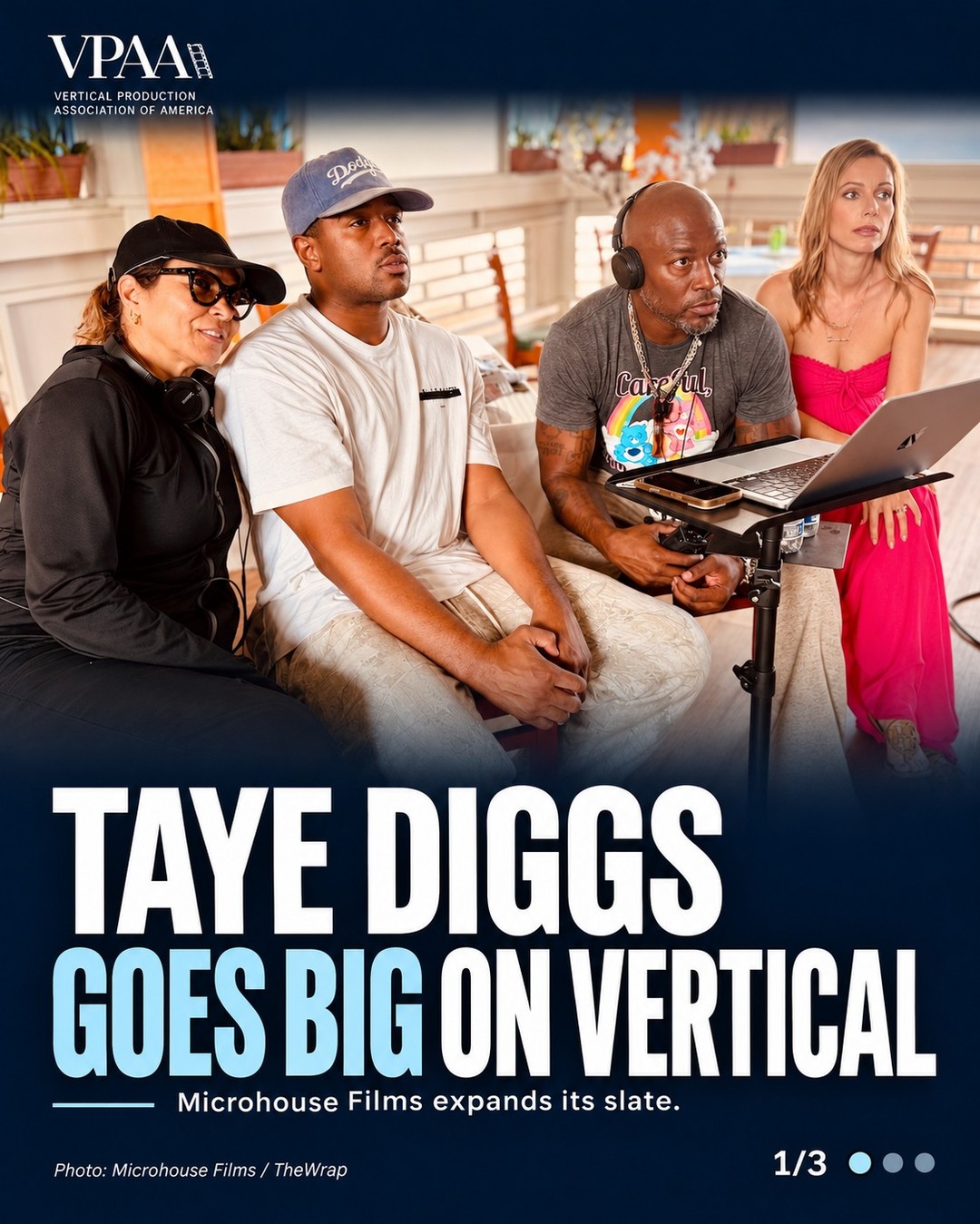
Taye Diggs is helping build a bigger home for vertical storytelling, and the latest sign is a slate that reaches well beyond a single genre.
According to TheWrap, reporting on October 12, 2026, Microhouse Films’ October slate brought together filmmakers including Miranda Bailey and Ben Ramsey. The projects span comedy, horror, music and animation, a range that points to how quickly the 9:16 format is moving past its early formulas.
A Slate Built Across Genres
The reported figures are limited to the names and categories attached to the slate, but the mix is the notable part. Comedy, horror, music and animation draw on different craft traditions, different audiences and different production demands. Placing them under one banner suggests that vertical is increasingly treated as a format capable of carrying many kinds of stories, not as a container for one dominant style.
The involvement of established names also matters. When filmmakers such as Bailey and Ramsey, and a performer of Diggs’ profile, are associated with a vertical slate, the format gains visibility with creators and audiences who may not have considered it before.
Why Range Matters for Talent
For performers, genre variety is more than a creative preference. Different genres call for different skills: comic timing, physical and emotional intensity, musical performance, voice work for animation. A wider slate can mean a wider set of roles, and those roles may reach actors who have not yet found a place in the vertical market.
The same is true behind the camera. Horror, music and animated projects each bring distinct needs in cinematography, editing, sound and design. As the range of vertical work grows, so does the range of specialist crafts that can build careers inside the format.
Whether that potential is realized will depend on how these projects are produced and how the people working on them are treated. The reporting does not address those questions, and they remain open across the sector.
The Association’s View
VPAA sees genre expansion as a healthy sign for the growth of the format. A broader field of stories can support more varied casting, more diverse creative teams and a deeper bench of vertical-specific craft.
The association’s question is a practical one: could a wider range of genres create more varied roles and opportunities for actors and filmmakers? The Microhouse Films slate offers an early, encouraging indication that the answer may be yes. VPAA will continue to follow how genre diversity develops in vertical drama and what it means for the professionals who make the work.
The association is also inviting its community to weigh in on which genre they would most like to see more of in vertical drama.