Hero or Villain: Which Vertical Performance Stays With Viewers Longer?
The VPAA is asking audiences who leaves the bigger mark in vertical drama, the lead they root for or the villain they love to hate, and which actors nailed either role.
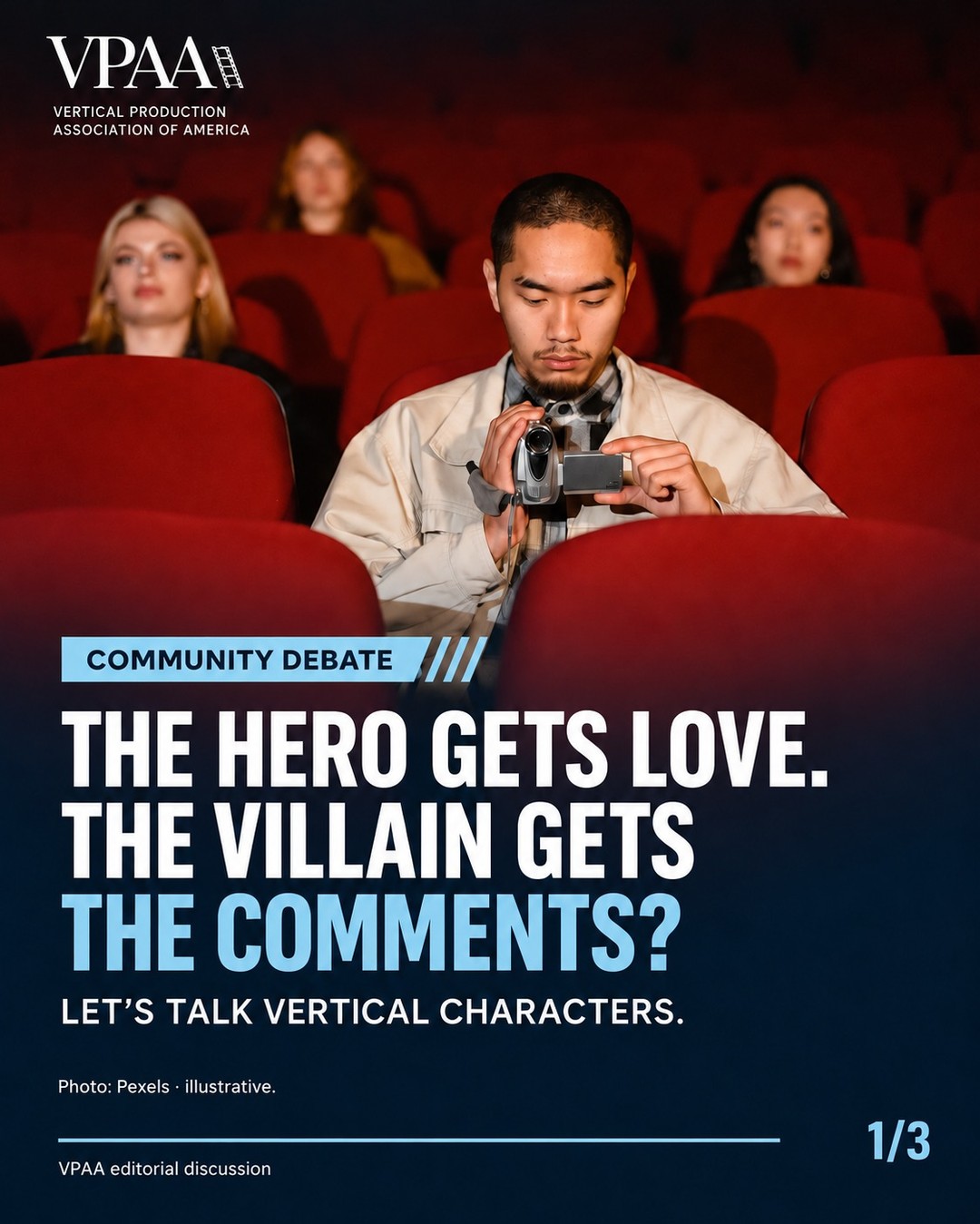
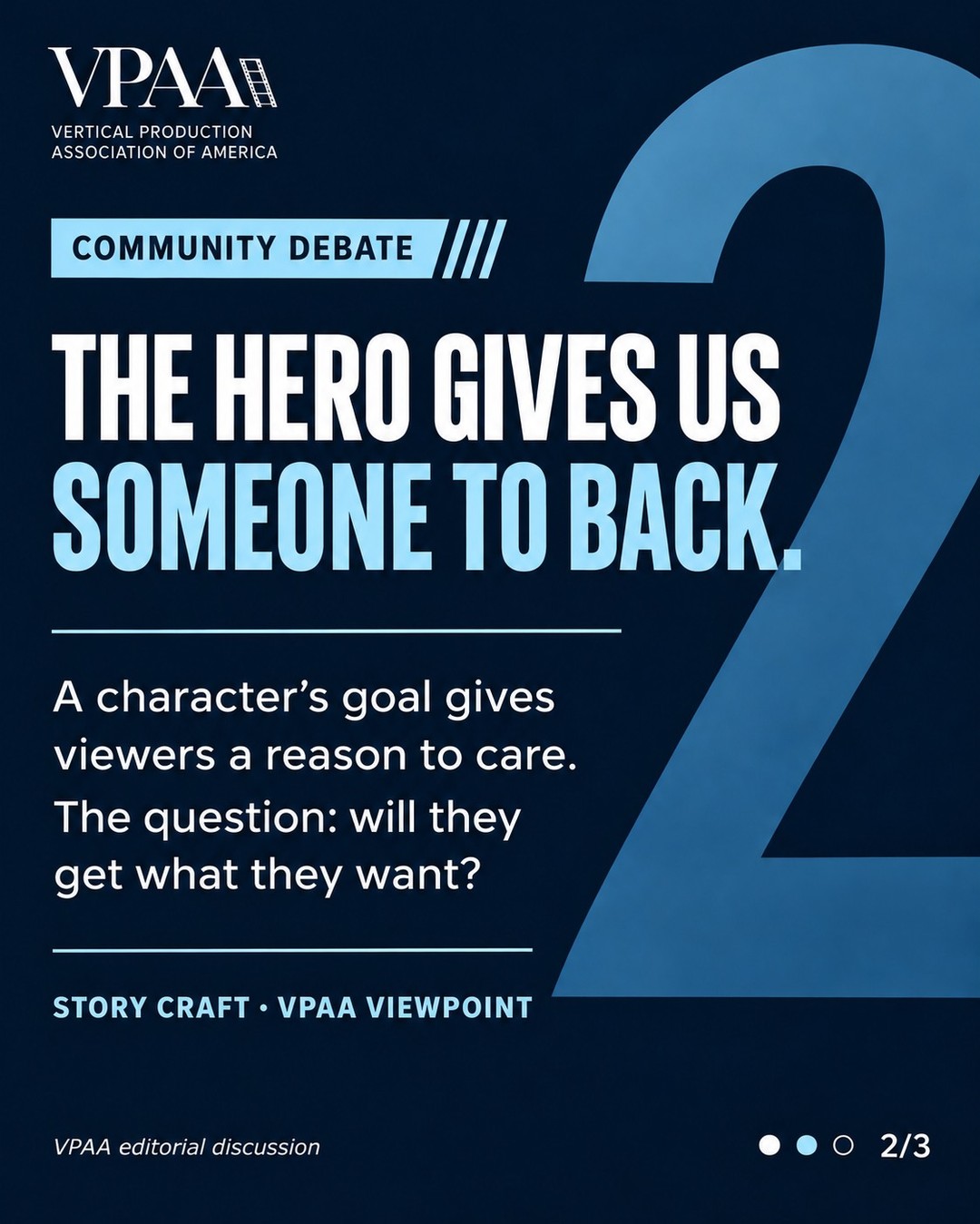
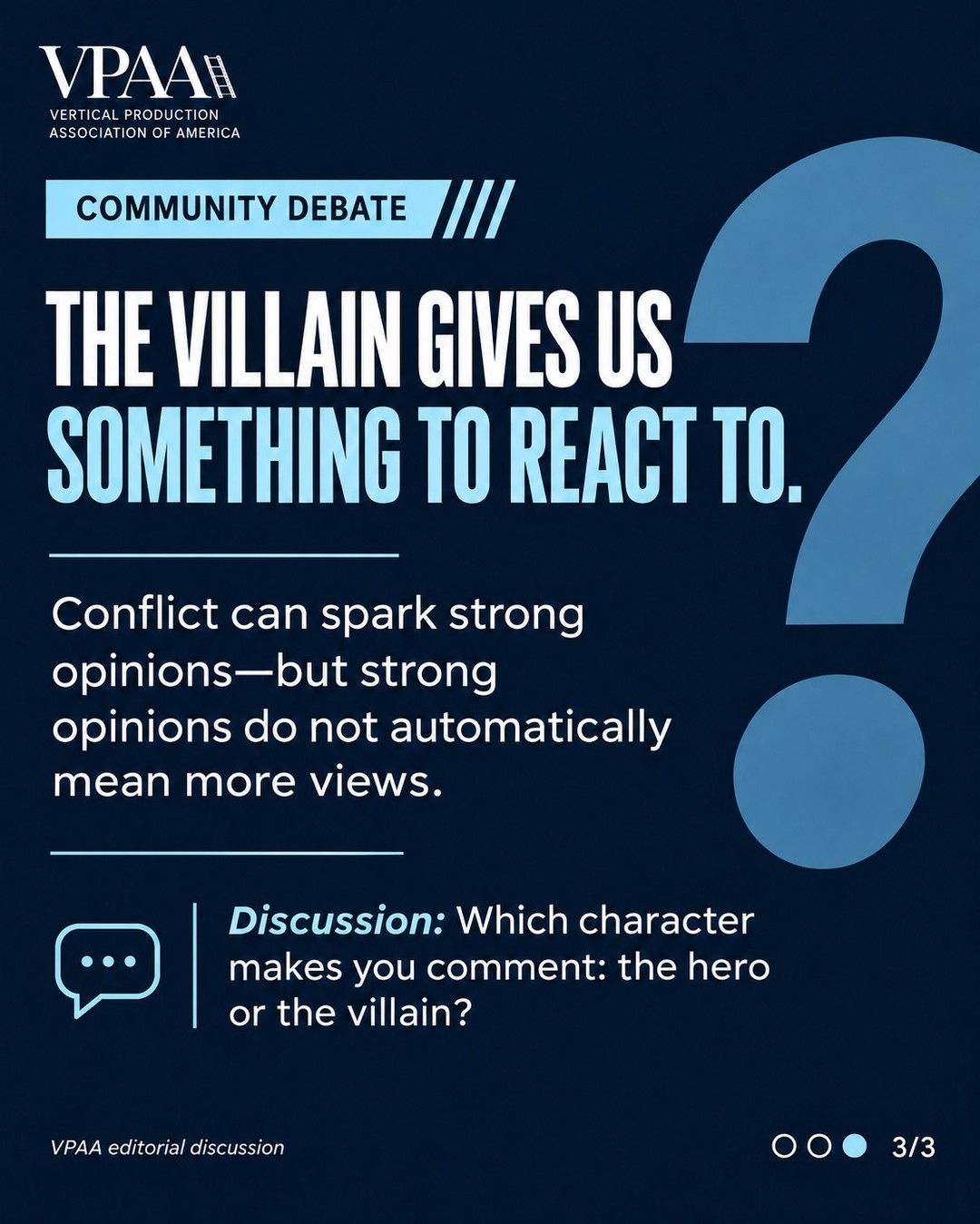
The Vertical Production Association of America is putting a question to viewers and the wider community: who stays with you longer, the hero you love or the villain you cannot stand? The association is also inviting audiences to name a vertical actor who nailed either role.
The question points to a craft challenge that defines the format. In a short episode, both performances have to make an impression fast.
What the Lead Provides
A great lead, the association notes, gives audiences someone to care about. In vertical drama, where episodes are brief and viewers are making quick decisions about what to keep watching, that connection has to be established almost immediately. There is little room for a slow build, so the performer carries much of the work through presence, expression and clarity of intent.
The hero is the point of entry. Without a character the audience is willing to follow, the story has no anchor, however strong the premise or the production.
What the Villain Adds
A memorable villain, in the association’s framing, gives the lead something to overcome and gives viewers plenty to discuss. That second function matters in a format built around audience response. A strong antagonist creates tension within the story and conversation around it, and it is often the character who prompts viewers to open the comments.
The same compression applies. A villain in a short episode cannot rely on extended backstory or gradual escalation. The performance has to communicate a threat, a motive or a point of view within moments, which places a premium on precise, confident acting choices.
An Open Question for the Community
The association has deliberately left the question open. Some viewers will say the hero they love is the character they carry with them after the episode ends. Others will say the villain they cannot stand is the one they remember most. The VPAA is asking audiences to weigh in and to name the vertical actors whose work made the case for either side.
The Association’s View
For the VPAA, the discussion underscores a point central to the growth of the format: performance is a core part of what makes vertical drama work. Actors in this space are asked to land a character quickly and make it stick, and audiences notice when they succeed.
Recognizing that work is part of the association’s broader interest in the people who make vertical storytelling possible. Audience conversation about individual performances, whether admiring or exasperated, is one sign that the craft is connecting.
The question remains open to everyone who watches: the hero you love, or the villain you cannot stand, and which vertical actor made you feel it.