One Actor's Vertical Work Raises the Question of Sustainable Careers
Reuters reported how microdramas steadied actor Robert Palmer Watkins' finances. His story points to a wider question: can vertical demand build lasting careers?
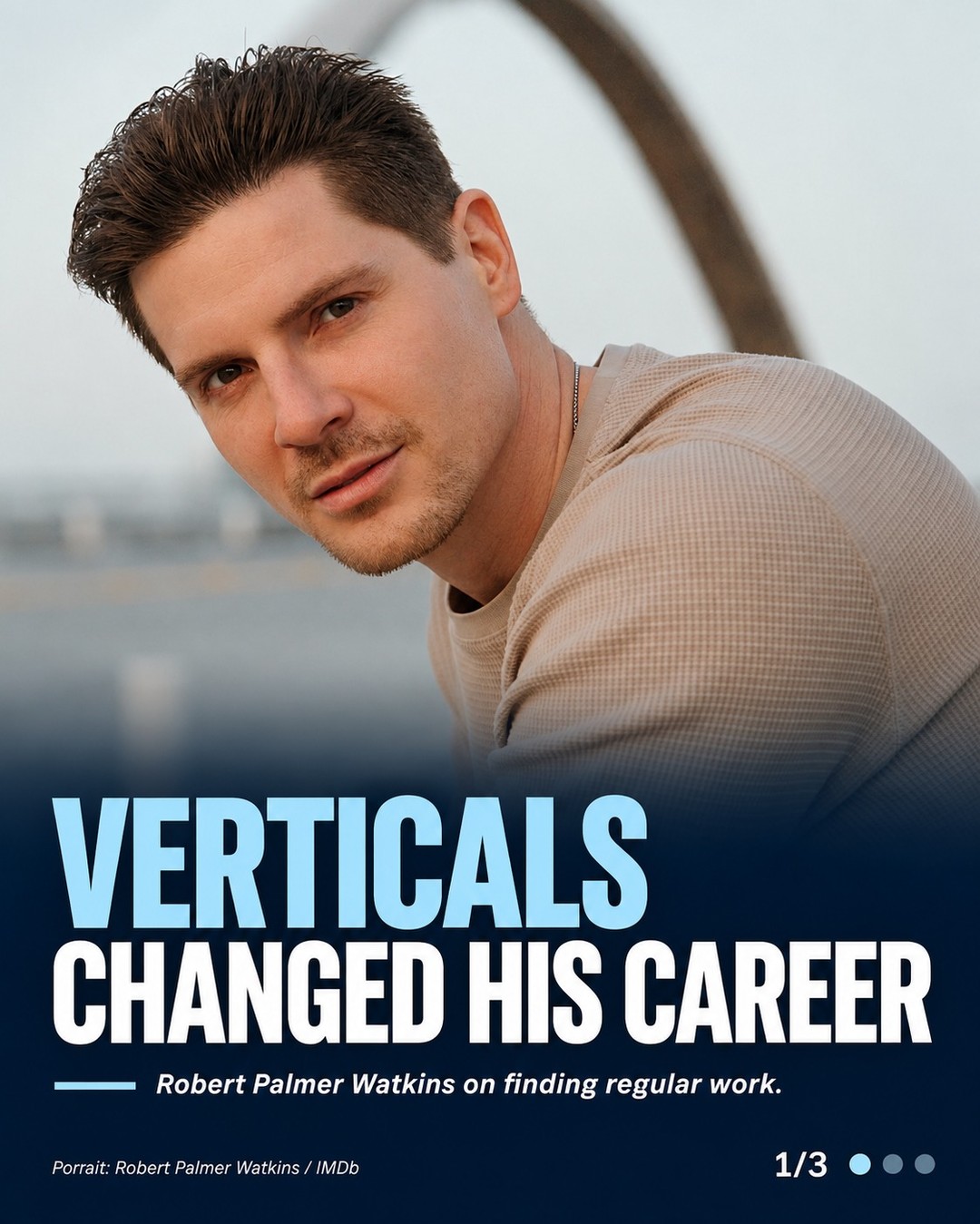
For actor Robert Palmer Watkins, vertical drama brought regular work at a time when Hollywood work had slowed. His account, reported by Reuters on August 18, 2026, offers a human look at a question the vertical industry is now being asked to answer: how can growing production demand become careers that actors and crews can sustain?
A Steadier Income After Disruption
According to Reuters, Watkins described how microdramas improved his financial circumstances after disruption from the pandemic and the Hollywood strikes. In his telling, vertical productions offered something that had become harder to find elsewhere: consistent bookings.
His experience is one actor’s story, and it should be read as such. It does not describe conditions across the whole sector, and the reporting does not claim that it does. But it reflects a pattern that many performers will recognize. When traditional work contracts, new formats that hire regularly can matter a great deal to the people who depend on acting for a living.
Demand Is Only Part of the Equation
The growth of 9:16 storytelling has created new openings for performers and crew. Watkins’ account shows the value of that demand. It also sharpens the harder question that follows: whether those openings translate into stable, long-term livelihoods.
Three issues stand out in the wider discussion:
- Pay: Whether compensation is fair and clear to the people doing the work.
- Schedules: Whether production calendars allow actors and crews to work in a healthy, sustainable way.
- Repeat opportunities: Whether performers can expect to be rehired and build a track record, rather than relying on isolated jobs.
Each of these shapes whether a surge in production becomes a career path or remains a series of short engagements. The answers will vary by producer, platform and project, and they will influence how experienced talent views the format over time.
The Association’s View
The Vertical Production Association of America (VPAA) sees stories like Watkins’ as a useful reminder of what the format’s growth is for. Production volume matters, but its lasting value depends on whether the people who make vertical series can build stable working lives around it.
That is why the association keeps its attention on the practical foundations of a professional industry: clear expectations on rates, responsible production practices and protections for talent. These are the conditions under which repeat work becomes possible, and under which actors and crews can plan beyond the next shoot.
The association is also interested in hearing from working professionals. Which would make the biggest difference to a sustainable vertical career: better pay, healthier schedules or more repeat opportunities? The answers will help inform the conversation about how a fast-growing format can mature responsibly.
Source: Reuters, August 18, 2026.