Actors Say AI Ads Put Their Faces in Scenes They Never Filmed
Tess Din, Faith Orta, David Eves and Haley Lohrli told Business Insider that AI-generated promotions placed their likenesses in sexual scenes. Permission to promote a show should not erase consent.
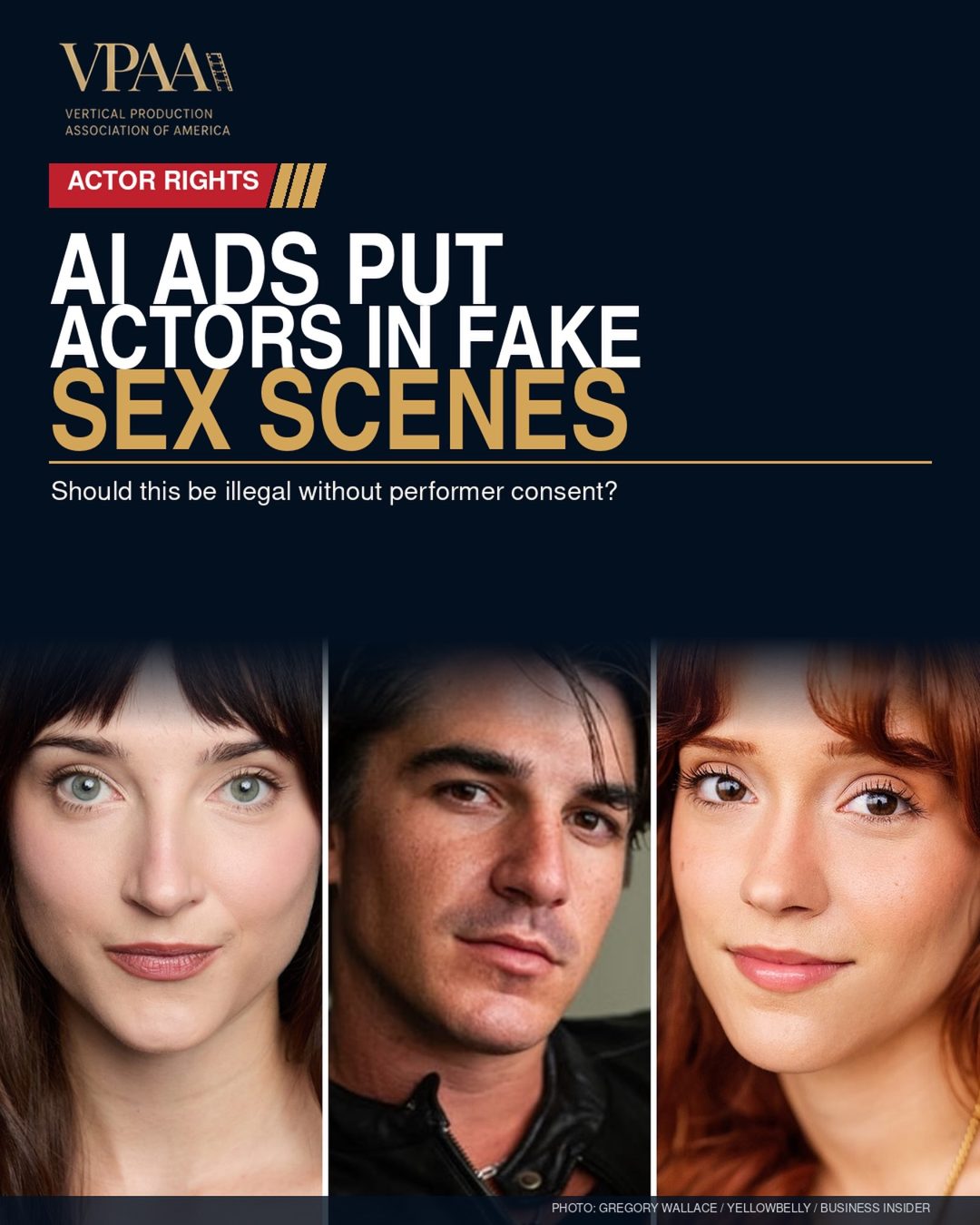
Actors Tess Din, Faith Orta, David Eves and Haley Lohrli say AI-generated advertisements placed their likenesses in sexual scenes they never filmed. Business Insider reported their accounts.
The ads were promotional material for vertical series the actors had appeared in. The scenes depicted did not exist in the productions. They were generated, using the actors’ faces, to drive app installs.
The consent gap
The actors had agreed to appear in a series and, in the ordinary way, to have their work used to promote it. None of them had agreed to be synthesized into new footage. Permission to promote a show should not erase an actor’s consent to what that promotion shows them doing.
The gap is contractual. Most vertical agreements include a broad promotional-use clause written before generative tools made it possible to manufacture a scene. Platforms and their marketing vendors have read that clause as covering synthetic content. The actors, reasonably, did not.
What the association is calling for
Should every vertical contract require a separate AI-likeness clause? VPAA’s answer is yes. The association’s standards call for:
- No generation of new performances, scenes or audio using an actor’s likeness without specific written consent.
- Promotional material limited to footage actually shot, unless separately agreed.
- A named contact at the platform responsible for likeness complaints, with a response deadline.
California’s new disclosure law for AI performers in ads addresses part of this. The rest has to be addressed in the contract, before the camera rolls.