Are Vertical Villains Becoming More Memorable Than the Leads?
Sarah Moliski and Felix Merback have made a specialty of antagonists audiences cannot ignore. In a format built on conflict, the villain may be the real star.
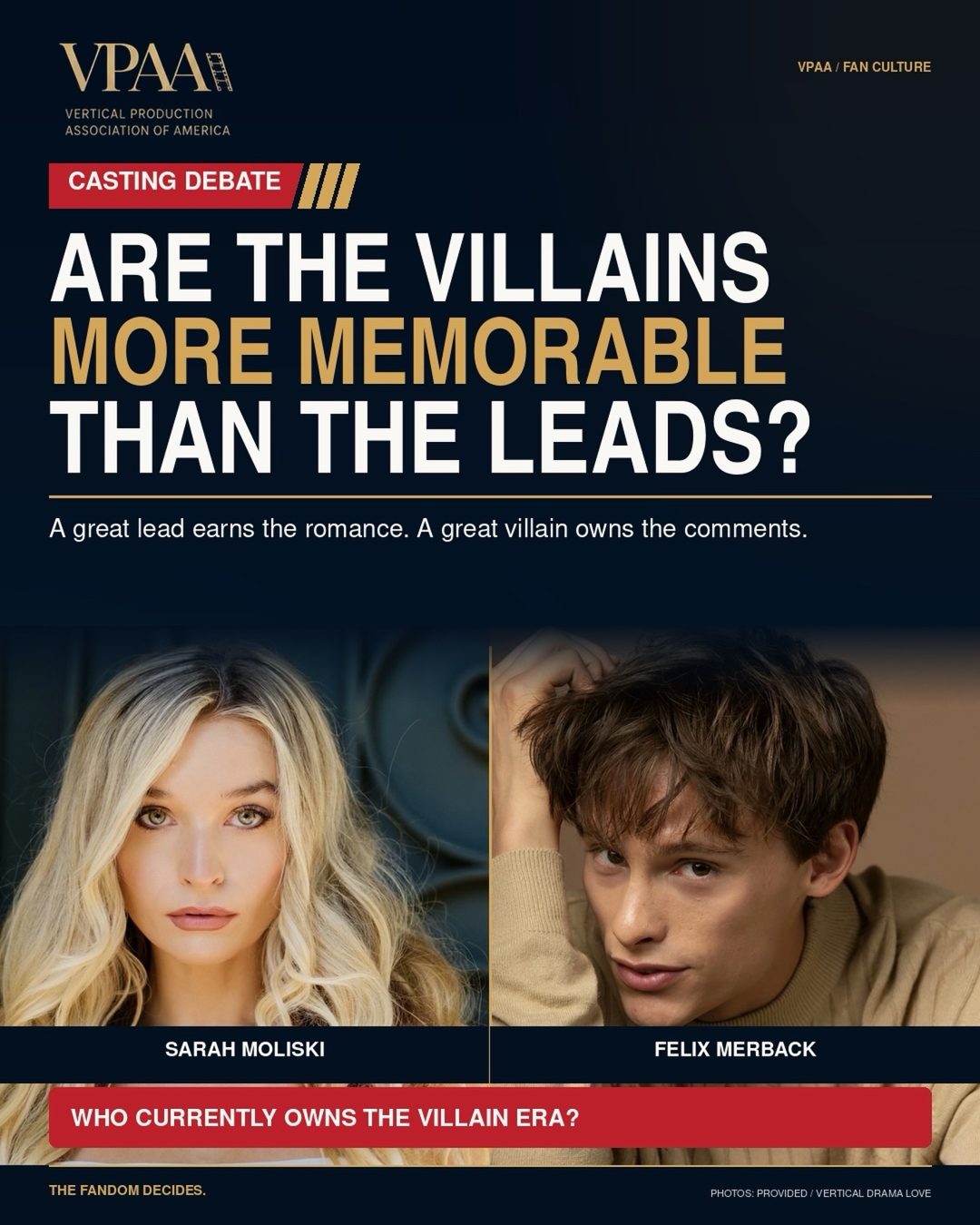
Sometimes the character you love to hate is the one you remember longest.
Sarah Moliski and Felix Merback know how to make an antagonist impossible to ignore. Leads carry the romance, but villains create the conflict, the chaos and, often, the biggest conversations in the comments.
Why the format favors the heel
Vertical drama compresses story into episodes of a minute or two. Romantic leads have to be likeable fast, which tends to flatten them. Villains get to be specific. A scheming ex-wife or a cold-eyed rival has a clear want in every scene, and clarity reads on a phone screen.
There is also a casting reality. The same antagonist actors recur across dozens of series on the same platforms, so audiences build a relationship with them that individual romantic leads, who rotate more often, rarely get. Merback and Moliski are recognized not for one role but for a type they have made their own.
The industry question
So be honest: are villains becoming more memorable than the leads in vertical drama?
The association’s interest in the answer is practical. If antagonists are driving engagement, then antagonist roles deserve the same billing, pay consideration and credit visibility as leads. The Verified Talent Registry records every credited role, not just the top of the call sheet, for exactly this reason. In a format where the villain might be the reason people subscribe, the villain’s credit should say so.